Brompton Cemetery border planting ideas by local gardeners
Posted on 19/10/2026
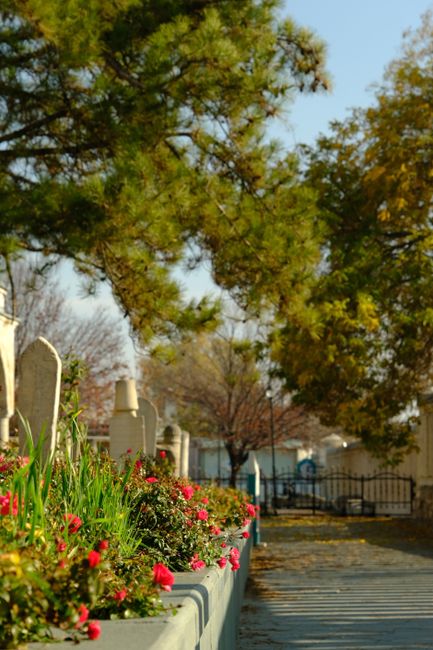
If you are looking for Brompton Cemetery border planting ideas by local gardeners, you are probably after something that feels respectful, polished, and quietly beautiful rather than loud or overdone. That is a very specific brief, and to be fair, it is the right one. Borders near cemetery settings ask for more than colour: they need restraint, seasonal structure, reliable planting, and a look that holds up in London weather without turning into a maintenance headache by midsummer.
This guide brings together practical planting approaches local gardeners often favour for formal borders, memorial-adjacent planting, and tasteful perimeter schemes. You will find plant combinations, spacing advice, maintenance considerations, and a few real-world observations that matter in Brompton-style conditions. The aim is simple: help you choose border planting that looks dignified, lasts, and does not demand fuss every week.
Why Brompton Cemetery border planting ideas by local gardeners Matters
Borders in or around a cemetery setting do a lot of heavy lifting. They frame the space, soften hard edges, guide movement, and set the tone before anyone has time to notice the individual plants. In places with a historic feel like Brompton, planting also has to respect the architecture, the atmosphere, and the calm people expect when they walk through. A bright, sprawling border can feel out of place; a carefully layered one feels quietly right.
Local gardeners often understand this balance better than anyone because they have seen how planting behaves in the area. The soil can be workable in some spots and stubborn in others. Shade from mature trees, walls, railings, and nearby buildings changes everything. Wind can funnel through open stretches. And because the whole look is meant to feel settled rather than seasonal chaos, every plant choice needs a reason to be there.
There is also a practical side. A border that is designed well reduces weeding, limits bare patches, and helps the area look cared for even between maintenance visits. If you have ever seen a border look fine in April and then exhausted by August, you will know exactly why planning matters. A thoughtful scheme avoids that tired, floppy middle chapter.
For readers thinking beyond aesthetics, a good border can also support biodiversity in a subtle way. Pollinator-friendly flowers, evergreen structure, and low-spreading ground cover can create a planting layer that works through the year, not just for a short burst of bloom. That is a nice outcome, but the design should still feel respectful first. That balance is the whole game.
How Brompton Cemetery border planting ideas by local gardeners Works
The core idea is simple: build the border in layers so it looks composed in every season. Local gardeners usually start with structure, then add texture, then tuck in colour where it will not overpower the setting. Think of it as a quiet arrangement rather than a flower show. You do not need hundreds of different plants. In fact, fewer, better-chosen plants often look far more elegant.
A typical approach might include an evergreen base, a seasonal flowering layer, and a low ground cover to suppress weeds and soften the soil line. In a sheltered pocket, you might add scented perennials. In a colder, windier stretch, you would lean harder on tough evergreens and compact shrubs. The trick is matching the planting to the exact microclimate, not the postcode in general. One corner can be warm and still, the next corner oddly brisk. London gardens do that, a bit annoyingly.
Local gardeners also think about height in a more disciplined way. Low edging at the front keeps the border neat. Mid-height planting gives body. Taller plants, if used at all, sit at the back or in restrained blocks so they do not block sightlines or create a busy visual field. This is especially helpful where the surrounding landscape already has strong visual character.
If maintenance is part of your decision-making, it is worth reading a few practical guides alongside the design work, such as the advice in budget-friendly low maintenance garden solutions and the seasonal preparation ideas in preparing your garden for harsh weather fronts. Those topics connect directly to border longevity, which is really what most people want.
Key Benefits and Practical Advantages
Well-designed border planting is not just about looking tidy. It solves a cluster of small problems that, honestly, add up fast if you ignore them.
- Year-round structure: Evergreen shrubs and persistent foliage stop the border from collapsing visually in winter.
- Lower maintenance: Dense planting and ground cover reduce weeds and bare soil.
- A calmer appearance: Repetition and restrained colour palettes make the border feel intentional and respectful.
- Better resilience: Tough plants handle shade, wind, and dry spells better than delicate fillers.
- Improved site presentation: Neat borders frame pathways, walls, and memorial areas with very little visual noise.
One practical advantage that often gets missed is the way a border affects perceived upkeep. Even if the rest of a garden area is still being developed, a clean, grounded border can make the whole place seem more cared for. That is especially useful in places where first impressions matter. You know the feeling: walk in and everything instantly seems more settled.
There is also a strong cost-benefit angle. Spending a little more on reliable, site-appropriate plants can save repeated replacements later. A border that needs reworking every season becomes more expensive than a deliberate design that simply behaves itself. Gardens, like kitchens, reward decent materials. Not glamorous, just true.
Who This Is For and When It Makes Sense
This kind of planting is a good fit for several situations. If you are maintaining a memorial border, a cemetery edge, a quiet sitting area, or a perimeter planting scheme that needs to feel graceful rather than decorative, the approach makes sense. It also works well where the site has visitor traffic, because plant choices need to be robust and not overly fragile.
It is particularly useful if you are:
- trying to create a formal but gentle planting style
- managing shade from mature trees, walls, or railings
- looking for lower-maintenance planting that still feels refined
- trying to reduce blank soil, weeds, and patchiness
- working with a narrow strip or awkward border shape
It may be less suitable if your goal is very bold colour, tropical planting, or high-impact seasonal bedding. Those can be lovely in the right place, but they often feel out of step here. A cemetery border usually benefits more from texture, subtle contrast, and repetition than from shock value. Truth be told, restraint usually wins.
If you are just getting started with an outdoor redesign, the guidance in launching a garden transformation where to start can help you think in the right order before buying a single plant.
Step-by-Step Guidance
Here is a practical way to plan a border that looks composed and lasts.
- Assess the site carefully. Look at sun, shade, wind, soil moisture, and how often the area is seen or passed.
- Decide the tone. Do you want formal, naturalistic, softly seasonal, or almost entirely evergreen? Pick one direction and stick to it.
- Map the structure first. Place your tallest plants or shrubs in the background, then work down to lower edging and ground cover.
- Choose a restrained palette. Whites, soft pinks, purples, greens, and silvery foliage often work beautifully in quiet settings.
- Repeat plants in drifts. Repetition creates rhythm. It also looks far more professional than scattering one of everything.
- Fill gaps with ground cover. Bare soil invites weeds and makes borders look unfinished.
- Water in properly and mulch. This helps plants settle and keeps the border looking neat while roots establish.
- Review after the first few weeks. Move anything struggling, because early corrections are much easier than waiting until things decline.
If the border is narrow, do not force too much into it. A slim strip with three excellent plant types usually looks better than a crowded mix. If the space is deeper, use layers. That simple difference changes everything.
For the edging layer, local gardeners often like compact, low-growing plants that keep a clean outline. The ground cover suggestions in highly recommended ground covers for UK spaces are useful if you want options that knit together without becoming a weedy mess.
Expert Tips for Better Results
Small choices have a big effect in border planting. Here are the ones that matter most in practice.
- Use repetition sparingly but consistently. Repeating a plant every few metres gives the border a calm visual beat.
- Prefer foliage texture over pure flower count. Leaves carry the border through long stretches when nothing is blooming.
- Choose plants that do not collapse after rain. A border can look elegant in sunshine and suddenly frayed after a downpour.
- Keep maintenance access in mind. Leave enough room to weed, prune, and tidy edges without trampling the planting.
- Watch for self-seeding plants. Some plants look charming until they spread a bit too enthusiastically.
One of the best things local gardeners do is think season by season rather than plant by plant. A border should look good in March, June, October, and, ideally, on a damp January afternoon too. That is where evergreen backbone earns its keep.
If you are working in a windy stretch, do not build the whole scheme from tall, brittle plants. The advice in coping with wind in your garden is particularly relevant here, because exposed planting failures often start with the wrong height and the wrong stem strength. Sounds obvious. Still gets overlooked all the time.
And one little human note: if a plant keeps sulking after you have given it a fair chance, do not fall in love with it. Replace it. Gardens are not therapy for stubborn shrubs.
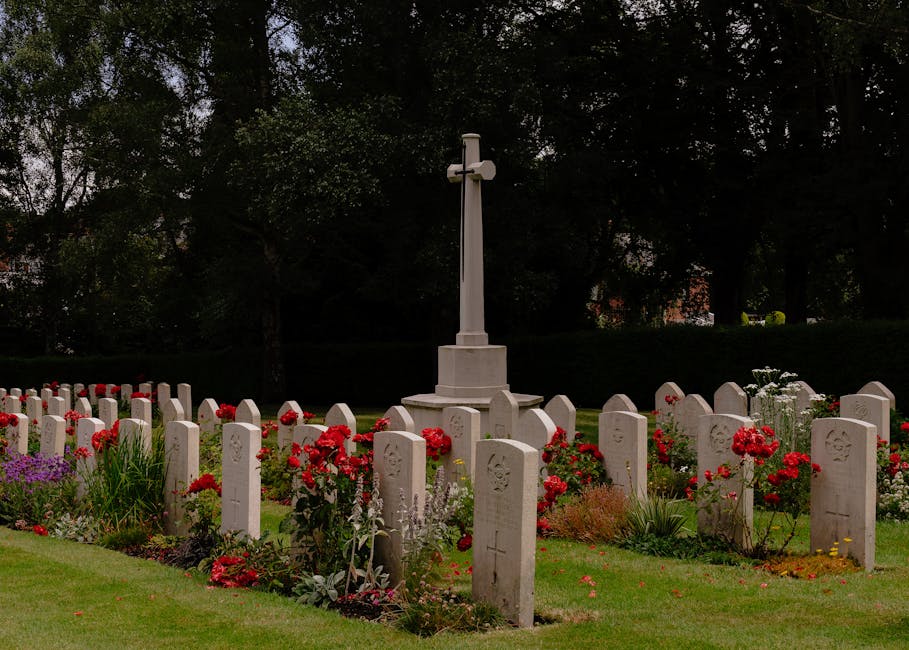
Common Mistakes to Avoid
Most border problems come from good intentions and rushed decisions. Here are the biggest traps.
- Planting too densely. It looks full for a few weeks, then becomes a crowded, competitive tangle.
- Choosing plants for the label, not the site. A pretty plant is still a bad choice if the border is too shady or too dry.
- Ignoring mature size. Many borders look fine at planting time and then become cramped two seasons later.
- Mixing styles without a plan. Formal edging, meadow-style perennials, and architectural shrubs can clash if there is no common thread.
- Letting the front edge disappear. If the border loses its neat line, the whole composition looks tired.
Another common issue is relying too heavily on one-season impact. It is tempting, because spring and summer are exciting. But if the border looks empty for the rest of the year, it has not really solved the problem. A better approach is to make the skeleton of the border strong first, then layer in interest.
Weeds are part of this conversation too. If you want to reduce ongoing hassle, the guide to conquering weeds effortlessly is a sensible companion read. Again, not glamorous, but very practical.
Tools, Resources and Recommendations
You do not need a shed full of specialist kit to build and maintain an effective border. A few reliable tools and habits go a long way.
- Hand trowel and fork: for planting, loosening soil, and tidying around roots.
- Sharp secateurs: for trimming spent stems and keeping plants compact.
- Edging tool: helps keep the front line crisp and defined.
- Mulch or compost: improves soil condition and reduces weed pressure.
- Watering can or hose with a gentle rose: useful for establishing new plants without washing soil away.
For plant selection, it helps to compare a few broad planting types rather than choosing in isolation. The table below is a simple way to think about it.
| Planting method | Best for | Strengths | Trade-offs |
|---|---|---|---|
| Evergreen structure | Year-round form and calm visual presence | Reliable in winter, neat appearance, strong backbone | Can feel too rigid if not softened with other textures |
| Perennial border planting | Subtle seasonal colour and repeated flowering | Natural movement, pollinator value, softer look | May need more deadheading and seasonal tidy-up |
| Ground cover-led scheme | Weed suppression and low edging | Covers bare soil, reduces maintenance, neat finish | Can take time to knit in, especially in dry shade |
| Container accents | Very tight spaces or areas needing flexibility | Easy to adjust, useful in awkward spots | Needs regular watering and may look less settled than in-ground planting |
If you are weighing maintenance options for broader garden care alongside the border, it may also help to look at practical low-maintenance garden ideas and common problems when mowing your lawn so the whole site works together.
Law, Compliance, Standards, or Best Practice
For cemetery-adjacent planting, the key is not to overstate legal rules where they depend on site ownership, management arrangements, or local policy. In practice, the safest approach is to work respectfully, keep access routes clear, and avoid planting that could obstruct maintenance, signage, or safe movement. If the area is privately managed or part of a memorial setting, there may be site-specific expectations about height, materials, memorial items, and tidiness. Those rules can vary, so checking before planting is sensible.
From a best-practice point of view, local gardeners usually follow a few simple principles:
- do not block paths or entrances with spreading planting
- avoid aggressive climbers that may damage walls or fittings
- choose plants that remain tidy without constant hard pruning
- use safe, appropriate access when pruning, lifting, or weeding
- dispose of green waste responsibly and keep the site clean
If you are hiring help, it is also sensible to check that the gardener or contractor follows ordinary UK safety practices and has appropriate insurance for the work being carried out. That is just good housekeeping, really. If a job involves heavier pruning or tree work, the risk profile changes, so professional judgement matters more.
For gardeners who like working from a seasonal maintenance routine, reading about protecting your plants from frost and ice in winter can be useful for border survival, especially when plants are newly established.
Options, Methods, or Comparison Table
Not every border needs the same treatment. Here is a practical comparison of the most common approaches local gardeners use.
| Approach | Visual style | Maintenance level | Typical use case |
|---|---|---|---|
| Formal evergreen border | Structured, restrained, timeless | Low to medium | Entrances, perimeter strips, calm memorial settings |
| Soft perennial mix | Gentle movement, seasonal variation | Medium | Wider borders with a more natural feel |
| Ground cover and edging focus | Minimalist, neat, understated | Low | Narrow borders and weed-prone edges |
| Mixed structure with containers | Flexible, layered, adaptable | Medium to higher | Variable spaces, shaded corners, temporary displays |
If you are after a more privacy-led garden boundary elsewhere on the site, the guide to fast-growing hedges and privacy boosters can help you compare boundary solutions, though for cemetery borders the finish is usually softer and less enclosing.
Case Study or Real-World Example
Here is a realistic example from a small Brompton-style border in a shaded, sheltered but busy area. The original planting had become thin at the front, with a few tired shrubs in the middle and bare soil catching weeds. Nothing dramatic. Just one of those borders that looked as though it had been ignored for a season too many.
The gardener's first move was to simplify, not add. Out came the weak plants that were competing badly for light. The new design used a repeating evergreen backdrop, a middle band of compact perennials with pale flowers, and a low ground cover to close the gaps. The colour palette stayed soft: green, silver, cream, and one muted accent tone. No bright reds, no visual shouting.
After planting, the border was mulched and edged sharply. Within a few months the change was obvious. It looked calmer, denser, and more intentional. More importantly, it was easier to maintain. Weed pressure dropped. The eye line across the border felt smooth. The whole space seemed less like a project and more like part of the place. That is the thing, really: good border planting often disappears into the setting in the best possible way.
For gardeners thinking about the broader transformation process, eco-friendly transformation of waste to soil offers a useful reminder that healthy borders usually start with healthy ground, not just pretty plants.
Practical Checklist
Use this before you plant, or before you refresh an existing border.
- Have I checked sun, shade, wind, and soil condition?
- Does the planting suit a respectful, calm visual tone?
- Have I chosen at least one evergreen or structural element?
- Will the front edge stay neat through the season?
- Have I included ground cover or another weed-suppressing layer?
- Do the plants have enough space at maturity?
- Am I avoiding invasive climbers or overly vigorous spreaders?
- Can I maintain the border without awkward access or damaging plants?
- Have I planned for winter appearance, not just summer bloom?
- Do I know who is responsible for watering, trimming, and inspections?
It is a short list, but it catches most problems before they become expensive. And yes, it saves a lot of second-guessing later on.
Get a free quote today and see how much you can save.
Conclusion
The best Brompton Cemetery border planting ideas by local gardeners are not the flashiest ones. They are the ones that hold their shape, suit the setting, and quietly improve the space month after month. A good border is part design, part discipline, and part patience. Plant the structure first, keep the palette calm, and choose species that can cope with local conditions without constant rescue work.
If you remember only one thing, make it this: a border should feel like it belongs there. Not forced. Not crowded. Just settled, respectful, and alive. That is what local gardeners tend to get right, and it is why their planting ideas usually age well. A good border has a kind of quiet confidence about it. Rather lovely, actually.
When you are ready to move from ideas to action, a planned approach makes the work easier and the results far more satisfying. The small details matter. They always do.


With extensive experience as a gardening manager, David has assisted numerous customers in realizing their desired garden designs. His articles emphasize sustainable gardening practices and convenient services.