Gardeners in Old Brompton Road top local garden care tips
Posted on 11/10/2026
If you are looking for Gardeners in Old Brompton Road top local garden care tips, the short version is this: local gardens do best when they are managed for the realities of London life, not for an idealised magazine spread. Narrow plots, shade from buildings, unpredictable wind, compacted soil, thirsty borders, and a constant push-pull between privacy and light all shape what works here. A good garden routine is less about doing everything, and more about doing the right things at the right time.
That might mean cutting back a hedge before it starts swallowing the path, choosing ground cover that can cope with awkward shade, or giving a lawn a gentler mowing rhythm than you see in generic advice online. It can also mean knowing when to ask for help. Truth be told, a tidy garden in this part of London is usually the result of small, consistent decisions rather than one big makeover.
Below, you will find practical local garden care tips that are genuinely useful for Old Brompton Road gardens, whether you manage a compact courtyard, a front patch, a shared access area, or a more established private garden that needs regular attention.
Why Gardeners in Old Brompton Road top local garden care tips Matters
Old Brompton Road sits in a part of London where gardens are often compact, enclosed, and exposed to very specific pressures. Some spaces get very little direct sun. Others get wind channelled between buildings. Many are bordered by paving, brick, fences, or walls that hold heat and dry out soil quickly. If you apply broad, one-size-fits-all advice, things can look good for a week and then drift back into stress.
That is why local garden care tips matter. They help you plan for the conditions actually happening in your garden, not the conditions you wish were there. A border under a tall wall, for example, may need moisture retention, tougher planting, and less aggressive pruning. A small lawn in partial shade may need a different mowing pattern and a more realistic expectation of perfection. Not every garden wants to be a bowling green. Some just want to look cared for and alive.
Local awareness also saves money. When you choose plants, maintenance routines, and materials that fit the site, you avoid repeat failures. You do not keep replacing plants that hate shade, or fighting weeds in a border that would be better planted densely. A bit of thought up front can make the whole outdoor space easier to live with.
For many homeowners and landlords, the real goal is simple: a garden that feels neat, safe, and inviting without demanding constant rescue. That is where practical local know-how pays off.
How Gardeners in Old Brompton Road top local garden care tips Works
Think of good garden care as a cycle rather than a single job. Observe the site, choose the right maintenance approach, then repeat it often enough that problems do not get a foothold. It sounds obvious, but plenty of gardens go wrong because care happens in bursts. The grass gets cut too short after a long gap. Hedges get hacked back only when they are already awkward. Weeds are attacked late, not early. Then everything feels harder than it should.
A better system usually starts with four questions:
- How much light does this area actually get through the year?
- Where does water sit, run off, or disappear too fast?
- Which parts need regular attention, and which can be made lower maintenance?
- What is the safest, simplest way to keep it looking tidy?
Once you know that, the work becomes clearer. Lawns need the right mowing height and feeding rhythm. Hedges need shaping before they become overgrown. Borders need weeding, mulching, and plant choices that suit shade or dryness. Hard surfaces benefit from occasional patio cleaning so moss and grime do not spread into the rest of the garden. And if you have small spaces, the answer is often layering: vertical growing, container planting, or evergreen structure that holds shape all year.
That mix of routine and adaptability is what separates a garden that merely survives from one that looks consistently cared for. In our experience, the best results come from small jobs done regularly rather than heroic clean-ups every few months. Nobody enjoys those anyway.
Key Benefits and Practical Advantages
Good local garden care is not just about appearances. It affects how you use the space, how much work it creates, and even how comfortable it feels on a damp Wednesday morning when you just want to open the door and breathe a bit.
Here are the main benefits:
- Better curb appeal: A tidy front garden, trimmed hedge, and healthy planting make a strong first impression without needing a full redesign.
- Lower maintenance over time: Smarter plant choices and routine care reduce the number of emergency fixes.
- Healthier growth: Plants, lawns, and shrubs cope better when they are pruned, watered, and fed in a way that suits the site.
- Improved privacy and comfort: In dense London settings, well-managed hedging and planting can soften views and reduce the feeling of being overlooked.
- Safer access: Clear paths, controlled growth, and stable edging reduce trip hazards and awkward overhangs.
- Better long-term value: Well-kept outdoor space often feels more usable and more desirable, whether you are staying put or preparing a property for sale or letting.
There is also a quieter benefit that people forget: a garden that is easy to maintain tends to get used more. You sit out a little longer. You water a little more carefully. You notice what is changing. That attention matters. Gardens respond to attention, even if they never say thank you.
Who This Is For and When It Makes Sense
This approach suits a wide range of people. If you live on or near Old Brompton Road and want practical garden care rather than vague inspiration, you are probably in the right place.
It makes sense if you are:
- a homeowner trying to keep a small or medium garden neat all year
- a landlord or property manager maintaining presentation between tenancies
- someone with limited time who wants a reliable routine rather than a constant project
- new to gardening and unsure what actually needs doing first
- dealing with a garden that has become patchy, shaded, windy, or overgrown
- planning a redesign and need the maintenance basics sorted before spending on new planting
It is especially useful for compact urban gardens, because small spaces magnify mistakes. A hedge allowed to grow unchecked can swallow daylight. A lawn cut too aggressively can thin out fast. A border planted without considering shade can become a cycle of replacement and disappointment. If that sounds familiar, you are not alone.
Sometimes the smartest move is not a bigger garden overhaul. Sometimes it is just getting the basic care right.
Step-by-Step Guidance
Here is a sensible, local-first way to look after a garden in this area without making the whole thing feel like a second job.
1. Start with a proper site check
Walk the garden slowly. Morning, if possible. Notice where the light falls, where the soil stays damp, and which areas always seem neglected. If something looks tired in one corner and vigorous in another, the site is telling you something useful. Listen to it. Yes, that sounds a bit romantic, but it is also how good garden decisions get made.
2. Put the lawn on a realistic routine
If you have turf, mow it at the right height for the season and the conditions. Cutting too short is one of the fastest ways to stress a lawn, especially if it is already shaded or patchy. If you have ever wondered why a lawn looks worse after mowing rather than better, the problem is often the technique, not the grass itself. For a deeper look at avoidable issues, see common mowing problems and how to avoid them and the more practical local lawn mowing support in Brompton.
3. Reduce competition from weeds early
Weeds are easier to manage when they are small. Do not wait until they have become a little forest. Hand weeding after rain is usually easier, and a mulch layer can dramatically slow repeat growth. If your borders are constantly fighting back, the advice in these simple weed control tips is a useful starting point.
4. Shape hedges before they become a problem
In local gardens, hedges do a lot of work. They define boundaries, soften views, and create structure. But they also grow faster than people expect. A light, regular trim is much easier than a heavy rescue cut. If your hedge is already pressing on paths or throwing too much shade, look at hedge trimming in Brompton and, if you want more detail on approach, hedge trimming techniques that improve form and balance.
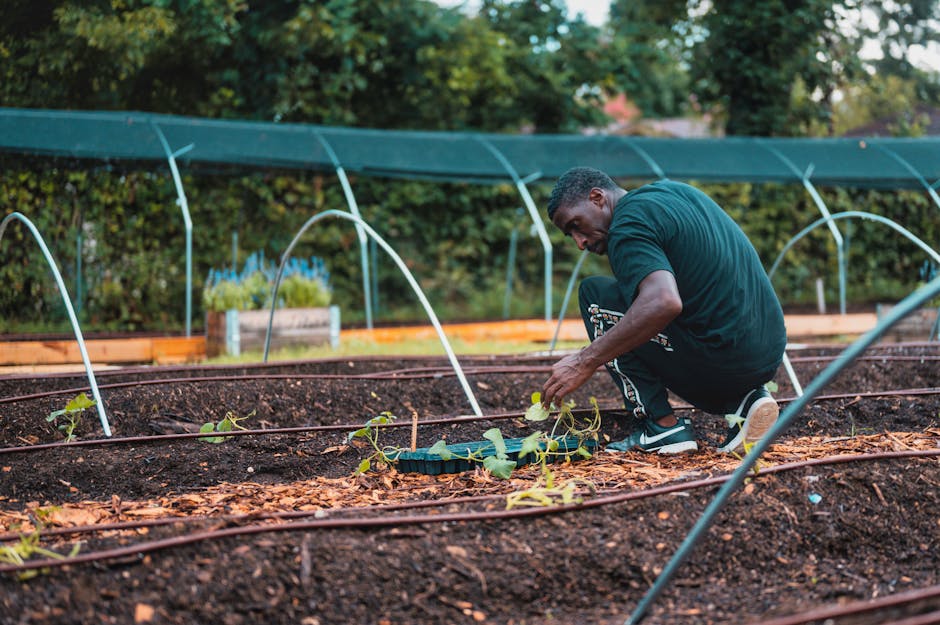
5. Improve difficult areas with the right planting
Not every dark corner is a lost cause. Some spaces simply need tougher plants or a different structure. Evergreen climbers, shade-tolerant ground covers, and vertical planting can turn awkward areas into useful features. If you are working with a narrow side return, a courtyard wall, or a gloomy fence line, try ground cover ideas for UK gardens and vertical gardening ideas for tighter urban plots.
6. Protect structure before bad weather arrives
London weather can be a bit of everything, sometimes in the same afternoon. Wind, cold snaps, heavy rain, and sudden dry spells all ask different things from a garden. Loose pots need securing, exposed plants may need protection, and delicate growth should not be left to gamble with the forecast. For practical seasonal planning, read how to prepare a garden for harsh weather fronts and how to protect plants from frost and ice.
7. Make maintenance easier, not harder
If a plant needs constant staking, endless clipping, or special rescue work, ask whether it belongs there. A low-maintenance border, a better-placed container, or a more restrained planting scheme can save hours. If you want that kind of simplification, the ideas in budget-friendly low-maintenance garden solutions are well worth a look.
Expert Tips for Better Results
These are the details that tend to make the biggest difference in a real garden, the sort of things people often learn the hard way.
- Work with microclimates: A wall-facing bed may be much warmer and drier than the rest of the garden. Treat it as its own zone.
- Use mulch properly: It is not just decorative. A decent mulch helps retain moisture, suppress weeds, and improve soil condition over time.
- Keep edges crisp: A neat edge around a lawn or border can make the whole garden look more intentional, even if the planting is simple.
- Prune with a purpose: Do not shear everything into submission. Selective pruning keeps shrubs healthier and more attractive.
- Choose fewer, better materials: On patios and paths, consistent cleaning and upkeep often look better than constantly adding new features.
- Think in layers: Use ground level planting, mid-height structure, and taller screening so the space feels full without feeling cramped.
One thing people often miss: garden success is not always about planting more. Sometimes it is about removing one awkward thing, or stopping one bad habit. That alone can change the feel of the space.
If you have pets, children, or frequent visitors, it is worth adjusting the garden around real use rather than an ideal plan. For example, a family garden may need harder-wearing planting and safer circulation routes; a dog owner might prioritise resilient surfaces and non-toxic choices. If that sounds relevant, dog-friendly gardening tips and child-friendly garden ideas can help you think it through.
Common Mistakes to Avoid
Even capable gardeners fall into the same traps. It happens. The trick is spotting them early enough to avoid wasting time and money.
- Overcutting lawns: Short grass is not always healthy grass. A stressed lawn often needs recovery, not more pressure.
- Ignoring shade: A plant that struggles in shade will keep struggling. Replacing it later is expensive and frustrating.
- Letting hedges drift: Once a hedge gets too large, maintenance becomes heavier and less elegant.
- Skipping soil care: Tired soil makes everything harder. Compost, mulch, and gentle feeding matter.
- Planting for the wrong scale: In small gardens, oversized plants can swallow the space quickly.
- Buying before planning: A quick purchase at a garden centre can be the start of a long headache if the site is wrong.
- Leaving hard surfaces neglected: Slippery patios and stained decking do not just look bad; they can become unsafe.
A smaller mistake, but a common one: people try to create a low-maintenance garden by doing nothing. That usually gives you a high-weeds, low-joy garden instead. Not quite the same thing.
Tools, Resources and Recommendations
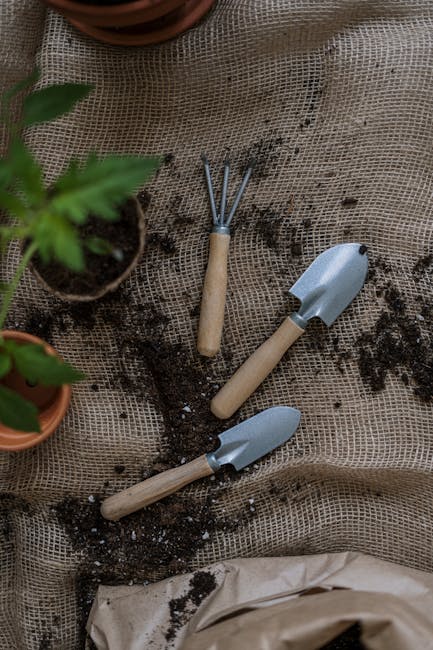
You do not need a giant shed full of kit, but a few reliable tools make garden care far easier. If you are building a sensible set-up, start with the essentials and skip the novelty gadgets for now.
Useful basics include:
- a sharp pair of secateurs for clean cuts
- a border fork or hand fork for loosening compacted soil
- a lawn mower suited to the size and slope of the garden
- a sturdy rake for leaves, moss, and debris
- a watering can or hose with controlled reach
- gloves that actually fit, which is oddly hard to find
- a simple kneeler or pad for weeding and planting
If you are not sure what matters most, this guide to essential gardening implements is a good reference point. For broader planning, a sensible starting point for garden transformation can help you avoid rushing into the wrong changes.
For more specialist work, consider the type of service you actually need. Routine upkeep is different from a redesign, and lawn care is different from hedge shaping or tree work. The main thing is matching the job to the right level of help. That sounds obvious, but people get tangled up here all the time.
Law, Compliance, Standards and Best Practice
Garden care is not usually heavily regulated in the way building work is, but there are still sensible standards and responsibilities to keep in mind. If you hire help, you want the work carried out safely, professionally, and with clear communication.
Good practice usually includes:
- checking that contractors use appropriate safety measures for tools, ladders, and powered equipment
- making sure access routes are clear before work starts
- being careful around shared boundaries, overhanging branches, and neighbour-facing hedges
- handling waste responsibly and confirming what will be removed
- using clear terms for timing, scope, and payment
If privacy or boundary work is involved, it is sensible to keep communication respectful with neighbours, especially in dense streets where growth can affect light and access. For work that involves trees, large hedges, or awkward overgrowth, professional judgment matters more than speed. This is one reason many people check pages like tree surgery in Brompton or ongoing garden maintenance in Brompton when the job has moved beyond simple DIY upkeep.
On the service side, it is also smart to review practical policies such as health and safety guidance, insurance and safety information, terms and conditions, and the site's privacy policy before you commit. If you care about service transparency, those pages are worth a quick read. Not glamorous, I know. Still useful.
Options, Methods, or Comparison Table
Not every garden needs the same level of input. Sometimes the right choice is a weekly tidy. Sometimes it is a seasonal reset. Sometimes it is one proper redesign and then a lighter ongoing routine.
| Approach | Best for | Pros | Watch-outs |
|---|---|---|---|
| DIY maintenance | Small, simple gardens with steady upkeep | Low cost, flexible, hands-on control | Easy to let jobs drift; equipment and time are your responsibility |
| Regular professional maintenance | Busy households, rental properties, and tidy presentation needs | Consistency, less stress, better finish | Requires a budget and clear scope |
| Seasonal tidy-ups | Gardens that mostly cope but need periodic rescue | Good for reset moments, useful after winter or growth surges | Problems can return if no routine follows |
| Garden redesign plus maintenance | Overgrown, awkward, or underused spaces | Long-term improvement, better layout, less wasted effort | Higher upfront effort and planning needed |
If your garden has become difficult to manage, it is often better to combine maintenance with a few structural changes. For example, a narrow space may benefit from tougher planting, a better hedge line, and improved surface care. In that case, a broader local service such as gardening services in Brompton or landscaping in Brompton may be the more practical route.
Case Study or Real-World Example
Here is a realistic example based on the kind of garden many people in this area have: a modest back garden with a tired lawn, one overgrown hedge, a shady border, and a patio that had become a bit grey and slippery. Nothing dramatic. Just enough to make the space feel more like a job than a place to be.
The first pass was not glamorous. The hedge was cut back properly, but not too hard. The lawn was mown at a healthier height rather than scalped. Weeds were removed before they set seed. The border was thinned and replanted with a mix of shade-tolerant structure and ground cover, so the soil had less bare space. Then the patio was cleaned, which made a bigger visual difference than expected. Suddenly the whole place looked brighter. Cleaner lines, less clutter, more breathing room.
The best part? Maintenance became easier afterwards. Once the hedge stopped bulking out, it was simpler to keep in shape. Once the lawn recovered, it looked better with less effort. Once the border filled in, fewer weeds appeared. That is the point people sometimes miss. Good garden care pays you back over time.
There was no miracle here. Just better choices, in the right order.
Practical Checklist
Use this as a quick seasonal or monthly reference. It is simple, but it keeps the garden on track.
- Check which areas are in sun, shade, wind, or reflected heat
- Inspect lawns for scalping, thinning, moss, or compacted patches
- Trim hedges before they become awkward or over-shaded
- Remove weeds while they are still small and manageable
- Top up mulch in borders where soil dries out quickly
- Water containers and young plants consistently, especially in dry spells
- Clean patios, paths, and decking before slippery growth builds up
- Protect vulnerable plants during frost or hard wind
- Replace failing plants with choices that suit the actual site
- Review safety, access, and waste removal if hiring help
Quick expert summary: if your garden is small, shaded, or exposed, the best results usually come from less drama and more consistency. Keep the structure tidy, choose resilient planting, and do the little jobs before they turn into bigger ones. That approach wins more often than people think.
Get a free quote today and see how much you can save.
Conclusion
Gardeners in Old Brompton Road know that local garden care is rarely about grand gestures. It is about reading the space properly, choosing practical improvements, and staying ahead of the small problems that quietly become big ones. A thoughtful mowing routine, sensible hedge care, better planting choices, and occasional hard-surface cleaning can completely change how a garden feels to live with.
If you take one thing from this guide, let it be this: the best garden is not always the most elaborate one. It is the one that suits the site, fits your time, and still makes you want to step outside on an ordinary day. That is the real win.
And honestly, once a garden starts working with you instead of against you, everything gets a bit easier. A bit calmer too.

With extensive experience as a gardening manager, David has assisted numerous customers in realizing their desired garden designs. His articles emphasize sustainable gardening practices and convenient services.